
Stonecatchers and Shared Grief
Just MercyThis thread traces Bryan’s growing understanding that people harmed by violence can choose to absorb pain rather than pass it onward.
increasing Bearing strength in each event
 decreasing
Bearing strength in each eventdecreasingA Victim’s Family Speaks
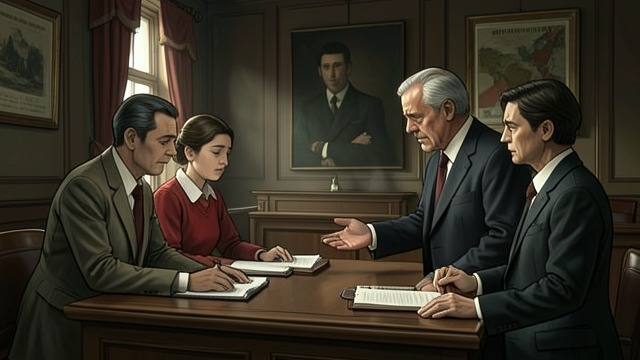
Grief Without Vengeance
A family approaches Bryan
The family of the child killed by Herbert asks for assistance with injuries and unmet promises.
A refusal of another death
A relative says the family does not believe in killing people. Their compassion does not deny their loss; it refuses to multiply it.
The Courtroom Stonecatcher
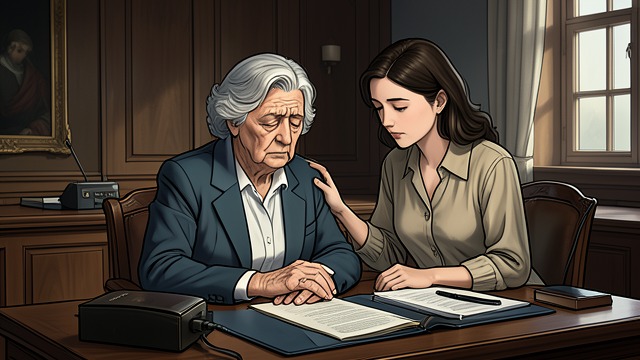
A Woman Who Returns
Grief remembered
An older woman tells Bryan that her grandson was murdered and that another mourner once stayed beside her in court.
Care repeated
She now returns to court to comfort anyone in pain, whether their loved one is a victim or a defendant.
Catching Stones
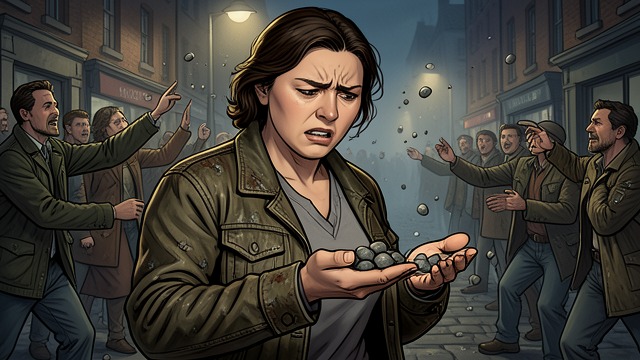
A Different Kind of Witness
Naming the work
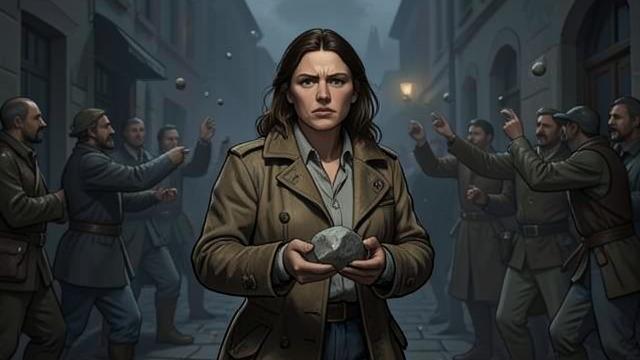
The woman says she comes to catch some of the stones people throw at one another.
Pain acknowledged
She tells Bryan that catching stones hurts, but that people must keep singing. Compassion is presented as labor, not sentiment.
A Song of Sorrow
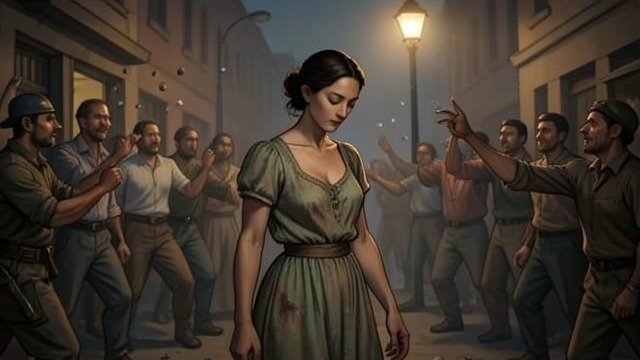
Strength Through Grief
Honest sadness
The woman says that even happy songs can make a stonecatcher sad because grief remains present.
Continuing anyway
She encourages Bryan to keep singing, suggesting sorrow can strengthen rather than silence those committed to helping others.
A Practice Beyond the Court
Refusing the Cycle
Shared vulnerability
Bryan argues that pain and brokenness connect people without making their experiences identical.
Mercy as action
Stonecatching means refusing to return harm for harm. The book presents this choice as a way to interrupt vengeance and create room for healing.
Before Herbert Richardson’s execution
During the resentencing of Robert Caston and Joshua Carter
During Bryan’s conversation with the woman
Near the end of the book
In the book’s closing reflections
